
Table of Contents
- What “Best Batting Cages” Actually Means for You
- Use the Right Search Terms (So You Find Real Training Facilities Faster)
- What to Look For When You Compare Facilities
- HitTrax and Training Technology: When It’s Worth Paying More
- Booking, Pricing, and Availability: The Real “Best” Is the Place You’ll Use
- Safety, Comfort, and the Hidden Value of Hand Protection
- Lessons, Camps, and Training Options That Make a Difference
- Try Before You Commit, Then Decide With Confidence
- Gear That Makes Cage Time Better (And Why ThumbPRO® Is Part of That)
- Practical Tips to Get the Most Out of Every Session
- Finding Deals and Promotions
- Final Takeaway: Choose the Place You’ll Actually Use
- Simple 10-Point Scoring Sheet (Pick the Best “Batting Cages Near Me”)
- FAQs
How to Find the Best Batting Cages Near Me (And Why ThumbPRO® Baseball Thumb Guard Belongs in Every Cage Bag)
If you’ve ever searched “best batting cages near me,” you already know the results can be all over the place. One option is a token-fed machine tucked behind a family fun center. Another is a true training facility with private tunnels, consistent pitching machines, and HitTrax technology that turns every swing into real feedback like exit velocity and launch angle. The difference matters, because the right batting cage does not just give you reps. It gives you better reps, and it keeps training safe and sustainable when you start stacking high-volume sessions.
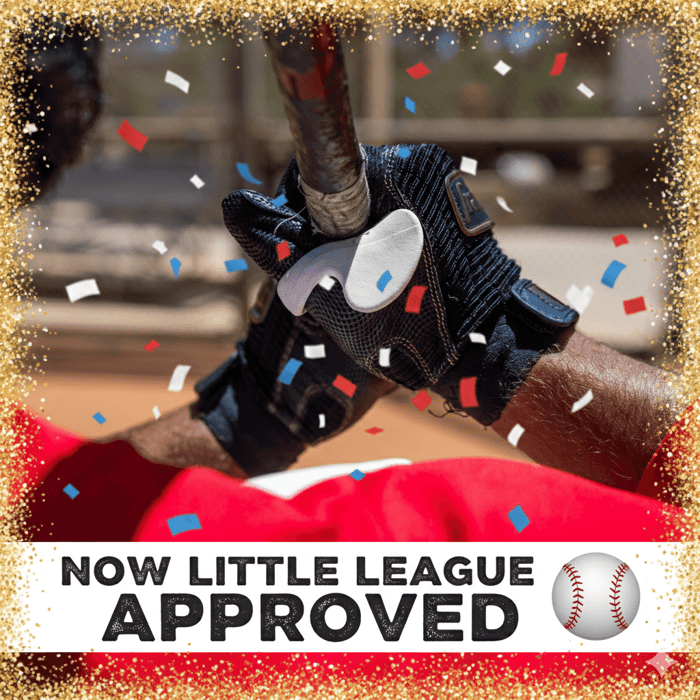
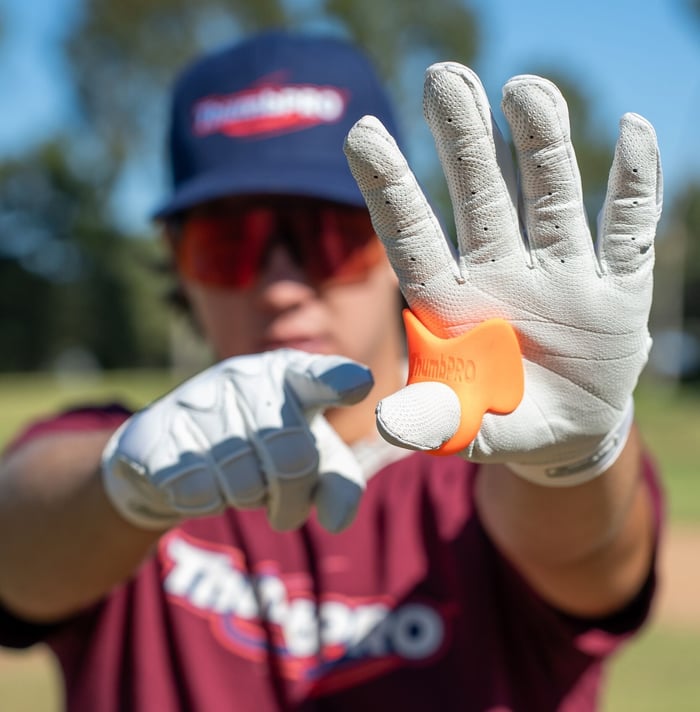
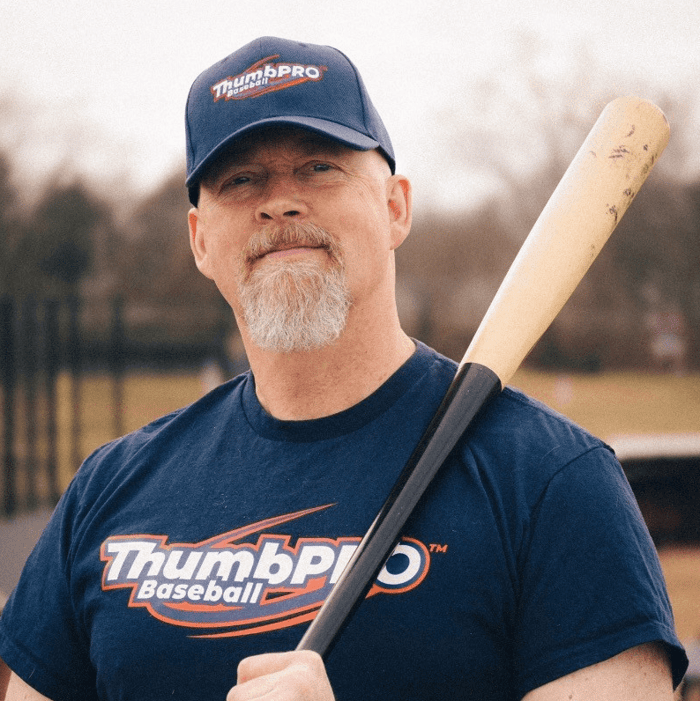
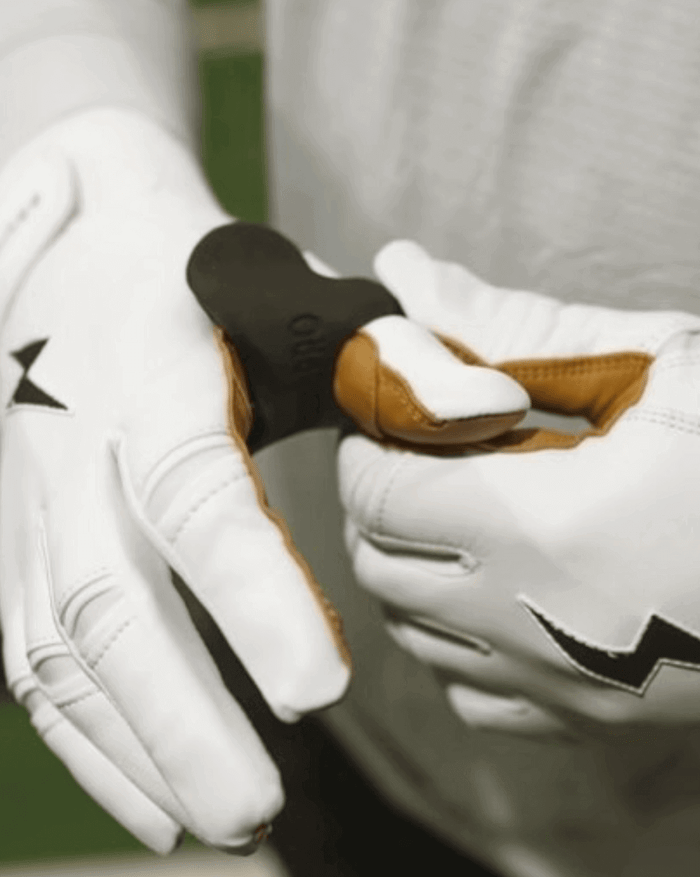
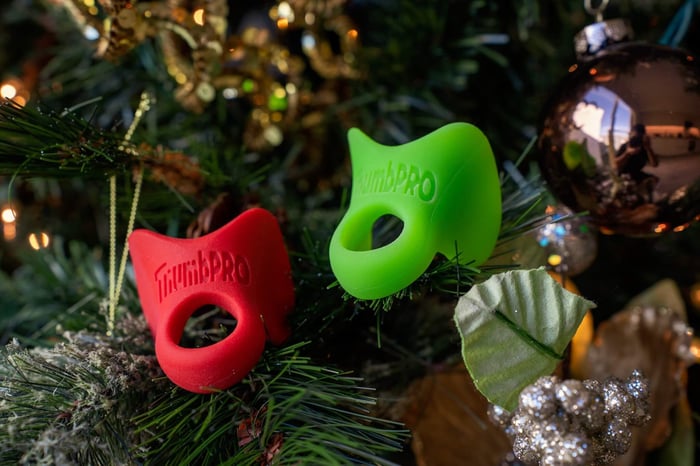
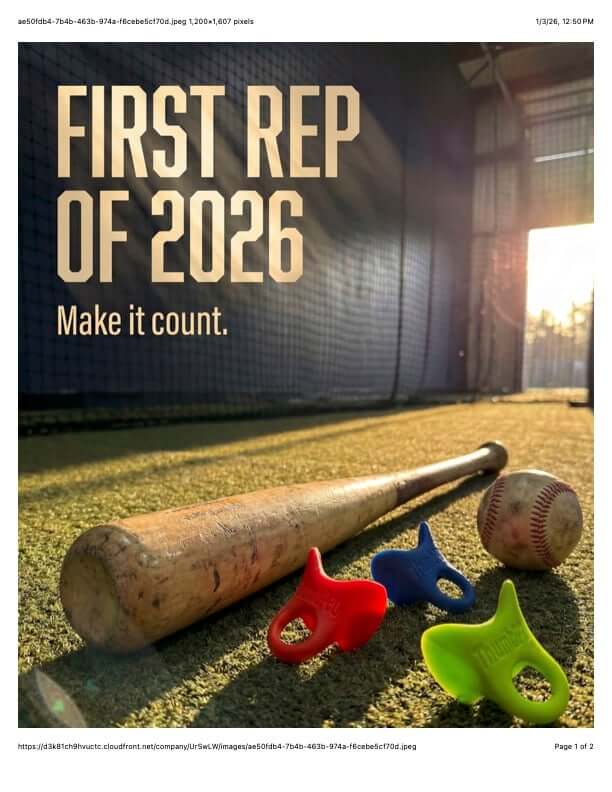
Batting cages are where hitters build timing, confidence, and repeatable mechanics. They are also where hands take a beating if you train often. Mishits happen, especially when you push speed, work inside pitches, or fatigue creeps in. That’s why ThumbPRO® belongs in your cage routine. Want the backstory? Read Craig’s story and why ThumbPRO® was invented. ThumbPRO® is the original thumb guard built around a patented contoured design that helps protect a vulnerable spot on the hand during swings, so hitters can keep training hard without thumb sting or impact becoming the thing that ends the session early.
What “Best Batting Cages” Actually Means for You
Before you book anything, it helps to define what you truly need. “Best” can mean very different things depending on who is swinging. A family might want an easy indoor option that is clean, safe, and simple to reserve. A coach might need multiple cages at once, group pricing, and a facility that runs smoothly when ten players are rotating through. A serious high school hitter might want consistent pitching machines, realistic speed ranges, and an instructor who can actually explain what to adjust when contact goes sideways.
This one decision matters early: are you looking for a place built for entertainment or a place built for training? Entertainment cages can be fun and useful for casual reps. Training facilities tend to have better machine maintenance, better cage layout, and a stronger safety culture, which becomes a big deal once you are swinging often. Training-focused facilities also tend to be more welcoming to players who bring their own gear, including ThumbPRO®, because they understand that comfort and injury prevention are part of long-term development.
Use the Right Search Terms (So You Find Real Training Facilities Faster)
Google Maps is still the fastest starting point, but the search phrase you use can change what shows up. If you only type “batting cages near me,” you will get everything, including places that are not set up for serious training. The trick is to search like a player with a goal.
Quick Search Terms That Work
If you want better results than a generic “batting cages near me” search, try a few targeted phrases. You’ll usually surface higher-quality facilities faster, especially indoor training centers and places with online booking.
“indoor batting cages near me” (best for year-round practice)
“HitTrax batting cage near me” (best for data-driven training)
“baseball training facility near me” (often pulls up academies and tunnels)
“softball batting cages near me” (filters out baseball-only facilities)
“batting cage rental” or “batting cage booking” (best for reserving time)
“baseball tunnels rental” (great for private lanes and team blocks)
Tip: add your town name to the end of the search for cleaner results, for example “indoor batting cages near me Houston, TX.”
Once you have a shortlist, click through the listings like a coach, not like a casual shopper. Look for clear hours, pricing, speed options, and whether the facility has online scheduling. When a place is well-run, it usually explains the process clearly. That matters because it impacts consistency, and consistency is what changes a swing over time.
What to Look For When You Compare Facilities
A strong batting cage facility offers more than “a machine that throws baseballs.” You want a setup that supports productive reps and reduces risk. Pitching machine consistency is the biggest separator. You do not need the fastest machine in town to improve. You need a machine that throws repeatable strikes at realistic speeds for the hitter’s level. If a machine sprays unpredictably, it wastes reps and can train bad timing. It also increases mishits, and mishits are where thumb sting shows up.
This is exactly where ThumbPRO® earns its keep. Cage sessions often mean more swings than you’ll take in an entire week of games. Even good hitters will get jammed when working inside pitches or when fatigue hits. ThumbPRO® helps protect the thumb during those moments so players can keep swinging confidently and finish the session with the same intent they started with.
Batting Cage Facility Comparison Table
Use this table to quickly compare options. A facility does not need to be perfect, but you want the basics to be strong, especially pitching machine consistency and safety.
| What to Check | What “Good” Looks Like | Why It Matters |
|---|---|---|
| Pitching machines | Consistent strikes, clear speed ranges, maintained regularly | More quality reps, fewer frustrating sessions |
| Cage layout | Enough length for timing, safe spacing between lanes | Safer swings, better pitch tracking |
| Netting and safety | Clean, intact netting, helmets required, staff present | Injury prevention and fewer interruptions |
| Cleanliness | Organized lanes, decent balls, clean floors | Signals real maintenance standards |
| Booking and pricing | Clear online scheduling, transparent hourly rates | Makes consistent training easier |
| Instruction | Optional lessons with coaches who can explain adjustments | Faster improvement, less guessing |
| Tech (optional) | HitTrax or similar metrics with staff support | Tracks progress over time |
Where ThumbPRO® fits: high-rep cage work increases the chance of mishits and bat sting, especially on inside pitches. Adding ThumbPRO® as standard cage gear helps protect the thumb so hitters can stay confident and keep their volume up.
Beyond the machines, pay attention to cage dimensions and layout. A cage that is too short can make timing feel rushed, and it can change the way hitters naturally sequence the swing. Lighting matters too, because poor visibility leads to late tracking and more mishits. Clean netting and safe spacing are not “nice extras.” They are signs the facility takes safety seriously.
HitTrax and Training Technology: When It’s Worth Paying More
HitTrax is not just a fancy gadget when it is used correctly. It turns practice into measurable improvement by showing what happened, not just what the hitter felt. That is powerful because many players work hard but do not know which adjustment is actually moving the needle.
HitTrax Metrics That Actually Help (And What They Mean)
HitTrax is most useful when you focus on a few simple metrics consistently, not every data point.
Exit velocity: how hard you hit the ball.
Launch angle: whether your contact is driving line drives versus chopping balls down.
Spray chart or hit direction: shows if you are consistently pulling, staying middle, or going opposite field.
If the facility has a coach who can interpret the data, you will improve faster. If you are training solo, pick one metric to track each week so you can see real progress.
Because hitters tend to swing harder and take more reps when they can see their numbers, hand comfort matters more in tech-driven sessions. ThumbPRO® helps protect the thumb from sting and impact so players can stay aggressive through the swings.
HitTrax becomes even more valuable when paired with instruction. A good coach can take the data and turn it into one clear focus for the next round, instead of overwhelming the player with ten different thoughts. That’s also where cage training becomes truly sustainable, because it becomes purposeful instead of repetitive.
Booking, Pricing, and Availability: The Real “Best” Is the Place You’ll Use
A facility can be incredible on paper, but if it’s hard to book or too far away to visit consistently, it may not be the best choice for your season. The best batting cage is often the one you can realistically use on a weeknight. That’s why online scheduling and clear pricing are not just convenience. They help you keep the habit.
When you compare prices, look beyond the hourly rate. Check whether the facility offers packages, memberships, or team rates that reduce cost per session. Ask about peak-time pricing and cancellation policies. This matters especially for coaches and families balancing busy schedules. Consistency is everything in hitting, and good scheduling systems make consistency easier.
Safety, Comfort, and the Hidden Value of Hand Protection
Safety is not just helmets and netting, although those matter. Safety is also an environment that reduces unnecessary mishits and keeps players comfortable enough to train with intent. Indoor batting cages that are temperature-controlled help athletes warm up properly and swing freely. Clean floors, organized lanes, and staff who enforce rules reduce risk, especially when the facility is crowded.
Hand protection is part of this conversation. Bat sting and thumb impact are extremely common in cages, because cage training is high volume. Players may also work faster speeds than they see in games, and they may challenge themselves in ways that increase mishits. ThumbPRO® helps protect the thumb so that the hand is not the limiting factor in training. That matters for youth players building confidence, for high school hitters increasing speed, and for anyone coming back from a jammed thumb who wants to swing without hesitation.
Lessons, Camps, and Training Options That Make a Difference
Many facilities offer more than open cage time. Private lessons, clinics, camps, and team training blocks can accelerate improvement, especially when the coach can build a plan instead of just “taking swings.” If you are evaluating instruction, pay attention to whether coaches explain what they want the player to feel, and whether they can adjust drills when something isn’t working. If HitTrax is available, ask if the coach uses the data to guide decisions, not just to impress the player.
For softball training, confirm that the facility truly accommodates softball. That includes the right machines, ball types, speed ranges, and setup. A place may say “softball friendly,” but the experience can be very different if the machines and lanes are not designed for it.
Regardless of sport, lesson environments are often high repetition. Players will do drill progressions, changes in contact point, and focused work that adds up quickly. ThumbPRO® supports those sessions by helping protect the thumb through the volume, so the athlete can stay relaxed and committed to the learning process.
Try Before You Commit, Then Decide With Confidence
If possible, book a short session before purchasing a package. A single visit will tell you what photos and reviews cannot. You’ll see whether machines are consistent, whether the facility runs smoothly, and whether the environment feels safe. If HitTrax is available, try it once and see whether the metrics are easy to understand and useful.
Also pay attention to how the player’s hands feel after that first session. If the hitter is going to train regularly, add ThumbPRO® early as part of the routine. Preventing sting is much easier than trying to train through it once the thumb is sore.
Gear That Makes Cage Time Better (And Why ThumbPRO® Is Part of That)
Every hitter has their own preferences, but most players train better when their gear is consistent. Bringing your own bat helps each rep feel familiar. Batting gloves help reduce friction and fatigue. A helmet is essential. Water matters because fatigue quietly changes mechanics. If you missed it, read Craig’s storyto see how ThumbPRO® was engineered for real hitters and real reps.
What to Bring to Batting Cages
A good cage session feels simple because you are prepared. Here’s the gear that keeps reps consistent and reduces distractions.
Must-have
Bat you normally train with
Helmet
Batting gloves
Water
Strongly recommended
A second bat (if you do overload or tee work)
Small towel or grip aid
Phone tripod or stand (if you record swings)
Hand protection for cage volume
ThumbPRO®as your go-to thumb guard for cage sessions, especially if you are working inside pitches, increasing speed, or coming back from a jammed thumb
ThumbPRO® is particularly valuable in cages because it protects a spot that takes direct punishment when mishits happen. It helps athletes stay confident and keep swinging through the work, which is the whole point of cage training.
Practical Tips to Get the Most Out of Every Session
The biggest difference between “just hitting” and actually improving is structure. Arrive early enough to warm up. Start at a comfortable speed so timing locks in, then build up. Choose one focus for each session, such as staying through the middle, driving the ball to the opposite field, or turning on inside pitches without collapsing. If HitTrax is available, track a small set of metrics over time rather than chasing one perfect swing.
For teams, rotation matters. A well-run rotation keeps players engaged, keeps sessions efficient, and reduces safety issues. Clear responsibilities help too, such as one coach managing timing, one coach handling feedback, and one coach keeping players moving.
If you are training high volume, treat ThumbPRO® as part of the session plan. The goal is to keep hands comfortable enough that the athlete can swing with intent from first rep to last rep.
Finding Deals and Promotions
If you want value, look for off-peak rates, multi-session packages, and seasonal promotions. Many facilities discount weekday midday rentals, and camps can combine coaching and reps at a better overall price. Follow local facilities on social media and subscribe to newsletters for promotions, team blocks, and special event offerings.
Final Takeaway: Choose the Place You’ll Actually Use
Finding the best batting cages near me is about balance. Convenience, safety, machine quality, instruction, and technology all matter. The best facility is the one that fits your routine and supports consistent training without frustration. If you want measurable feedback, look for HitTrax and coaches who know how to use it. If you want year-round reliability, prioritize indoor options with good lighting and maintenance. If you are training frequently, protect the hand as part of training, not as an afterthought.
Cage work is where swing volume happens, and swing volume is where improvement happens. ThumbPRO® helps protect the thumb during that volume so hitters can stay confident, comfortable, and consistent.
Simple 10-Point Scoring Sheet (Pick the Best “Batting Cages Near Me”)
If you are choosing between 2–4 facilities, score each one quickly. Total score wins.
| Category | Score (1–10) |
|---|---|
| Location and convenience | |
| Booking ease and availability | |
| Pitching machine consistency | |
| Speed options for level | |
| Safety and cage spacing | |
| Cleanliness and maintenance | |
| Coaching or lessons | |
| Tech like HitTrax (if desired) | |
| Team-friendliness (if needed) | |
| Overall value |
Note: if two facilities score similarly, choose the one you will actually use weekly. Consistency beats “perfect” every time. Also, if you are training frequently, treat ThumbPRO® as part of your standard cage setup to protect the thumb during high-rep sessions.
Power Powder Blue - Baseball Thumb Guard

$29.95
Expertly engineered to reduce bat sting. ThumbPRO® uses a patented performance design that stays in place every swing and absorbs impact on contact. Power Powder Blue – Baseball Thumb Guard Smooth Style, Serious Performance Power Powder Blue combines a cool,… read more
New to thumb guards? Start with our complete baseball thumb guard guide.
FAQs
How do I find the best batting cages near me fast?
Start with Google Maps, then narrow your search with “indoor batting cages near me” or “HitTrax batting cage near me” so you see training-focused facilities first. Once you find a shortlist, choose the place you can visit consistently, and bring smart gear like ThumbPRO® so hand discomfort doesn’t limit your reps.
Are indoor batting cages better than outdoor cages?
Indoor cages are usually more consistent because weather doesn’t affect scheduling, lighting, or ball flight. They’re ideal for year-round training and higher swing volume. Because indoor sessions often lead to more reps, many hitters wear ThumbPRO® to help protect the thumb from sting and impact during extended cage work.
Is HitTrax worth it for cage training?
HitTrax can be worth it if you use the data to guide adjustments, especially when paired with an instructor who can interpret exit velocity and launch angle in a practical way. HitTrax sessions often encourage players to swing with intent and take extra reps, which is another reason ThumbPRO® is helpful in that environment, it supports hand protection while you push volume.
What should I look for in pitching machines at a facility?
Consistency matters more than max speed. Look for machines that throw repeatable strikes, offer realistic speed ranges, and are clearly labeled. Consistent machines reduce mishits, but mishits still happen when you’re training hard, so adding ThumbPRO® can help protect the hand and keep your session productive.
Do batting cages usually allow personal protective gear like ThumbPRO®?
Most facilities allow personal protective equipment, especially gear that supports safety and doesn’t interfere with the facility. ThumbPRO® is low-profile and designed to protect the thumb during swings, so it typically fits right into cage routines. If a facility has strict rules, call ahead, but in most cases it’s welcomed as smart safety gear.
What’s the best way to avoid bat sting during cage sessions?
Warm up gradually, avoid jumping to top speed too quickly, and keep your grip mechanics solid. Even with good mechanics, high-volume cage sessions can lead to occasional mishits, which is why many hitters use ThumbPRO® as part of their routine to help protect the thumb from sting and impact.
I’m coming back from a jammed thumb. Can I still use batting cages?
Many athletes return to cages gradually, starting at lower speeds and focusing on controlled contact. Hand protection becomes even more important in this situation. ThumbPRO® can help provide targeted thumb protection so players can rebuild confidence and swing volume more comfortably during the return-to-hit phase.
Is there a difference between cages for baseball and softball?
Yes. Softball often requires different pitch angles, machines, ball types, and speed ranges. Make sure the facility truly supports softball training, not just “softball-friendly” marketing. Regardless of sport, repeated swings can lead to hand discomfort over time, so ThumbPRO® is a helpful training tool for protecting the thumb during both baseball and softball cage work.